Victorian homes remain popular with buyers because of their character, proportions and period features, but they can also come with age-related defects, historic alterations and maintenance issues that are not always obvious during a viewing.
If you are buying an older property, choosing the right Survey for Victorian House is important. In many cases, a Level 3 Survey may be more suitable than a Level 2 Survey because it provides a more detailed assessment of the building’s condition and construction.
The right choice still depends on the individual property, so age alone should not be the only factor considered.
Why Victorian Houses Can Need a More Detailed Survey
Victorian properties were built using different materials and construction methods from many modern homes.
Over time, they may also have been extended, converted, repaired or modernised several times.
A Survey for Victorian House can help identify visible defects and provide more context around issues that may be linked to the age of the building.
Common areas of concern can include:
- Damp and moisture
- Roof defects
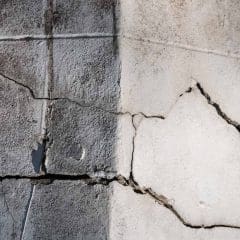
- Cracking or movement
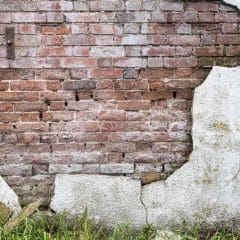
- Older brickwork and pointing
- Timber deterioration
- Poor ventilation
- Historic repairs
- Extensions and alterations
- Older drainage or external defects
These issues do not necessarily mean there is a serious problem, but they can require closer investigation.
Is a Level 2 Survey Suitable for a Victorian House?
Sometimes, yes.
A Level 2 Homebuyer Survey may be suitable if the property is in good condition, has been well maintained and has not been heavily altered.
A Level 2 Survey provides an assessment of visible defects and highlights areas where further investigation may be needed.
However, a Victorian home is more likely to have a complex maintenance history than a relatively modern property.
For that reason, buyers often benefit from considering whether a more detailed survey is appropriate.
When Is a Level 3 Survey Better?
A Level 3 Building Survey is usually the more appropriate option when the property is older, altered, deteriorated or otherwise more complex.
A Level 3 Survey can be particularly useful for Victorian properties that:
- Have been significantly extended
- Show signs of damp or movement
- Require renovation
- Have unusual construction features
- Have had several phases of alteration
- Appear poorly maintained
- Include loft conversions or structural changes
A Survey for Victorian House at Level 3 provides more detailed commentary on defects, likely causes and potential repairs.
What Problems Are Common in Victorian Houses?
One of the main reasons buyers choose a more detailed Survey for Victorian House is the range of age-related issues that can be present.
Damp
Older homes can be vulnerable to damp caused by poor ventilation, defective gutters, damaged pointing or changes made using inappropriate modern materials.
Roof and Chimney Defects
Victorian homes often have more complex rooflines, chimney stacks and older coverings that may require maintenance.
Cracking and Movement
Some cracking may be historic and stable, while other patterns may require further investigation.
Timber Problems
Floor timbers, roof structures and external joinery can be affected by moisture, decay or insect activity.
Previous Alterations
Victorian houses are often extended or remodelled over time. A survey may highlight concerns around previous structural changes, loft conversions or extensions.
These are all areas where the additional detail of a Level 3 Survey can be useful.
Level 2 vs Level 3 for a Victorian Property
The main difference is the depth of the assessment.
A Level 2 Survey is generally suited to conventional properties in reasonable condition.
A Level 3 Survey is more detailed and is usually more appropriate for older or more complex buildings.
If you are deciding which Survey for Victorian House is right for your purchase, the guide to Level 2 vs Level 3 Surveys explains the differences in more detail.
What If the House Has Been Renovated?
A recently renovated Victorian home may look like it is in excellent condition, but that does not always mean a detailed survey is unnecessary.
Renovation can sometimes hide older defects or introduce new issues if work has been carried out poorly.
A Survey for Victorian House can help identify visible signs of problems and highlight areas where further investigation may be advisable.
This can be particularly useful if the property has had:
- A loft conversion
- Rear or side extensions
- Internal walls removed
- Significant roof work
- Extensive refurbishment
- Changes to ventilation or drainage
Should You Get a Survey Before Exchange?
Yes, this is usually the most useful time to arrange the inspection.
Booking a Survey for Victorian House before exchange gives you time to review the findings, request quotations and investigate any significant issues before becoming legally committed.
If the survey identifies concerns, you may choose to obtain specialist advice or discuss the findings with your solicitor.
Does the Survey Include a Valuation?
A survey and a valuation serve different purposes.
The survey focuses on the property’s physical condition, while a valuation considers its market value.
If you also require a formal property valuation, London & Kent Surveyors provides dedicated RICS valuation services.
Arrange a Survey for a Victorian House
Choosing the right Survey for Victorian House depends on the condition, alterations and complexity of the property.
For a Victorian home in good condition, a Level 2 Survey may sometimes be suitable. For older, altered, deteriorated or more complex properties, a Level 3 Survey is often the more appropriate choice.
London & Kent Surveyors provides Level 2 and Level 3 residential surveys across London and Kent and can help you decide which level of survey is most suitable for the property you are buying.