A newly renovated property can look like a safer purchase than an older home in need of work. Fresh paint, a new kitchen and modern finishes can create the impression that everything has already been checked and improved.
However, cosmetic renovation does not necessarily mean the underlying building is free from defects.
A Survey on Renovated House can still be useful because it looks beyond the appearance of the property and considers its visible condition, construction and any signs that previous work may require further investigation.
Why Survey a Recently Renovated Property?
Renovation can improve a property significantly, but it can also make some issues harder to spot during a normal viewing.
Fresh plaster, flooring and decoration may cover signs of previous defects. Extensions, loft conversions or structural alterations may also have changed the building in ways that deserve closer inspection.
A Survey on Renovated House may help identify visible concerns relating to:
- Previous structural alterations
- Extensions or conversions
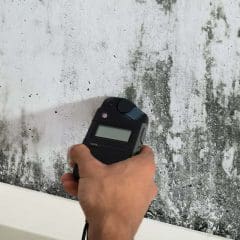
- Damp and moisture
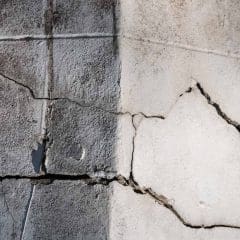
- Cracking or movement
- Roof repairs
- Ventilation
- Drainage
- Poor workmanship
- Incomplete maintenance
The aim is not to assume the renovation is poor. It is to understand the condition of the property before you commit to the purchase.
Does Renovation Mean the Property Is in Good Condition?
Not necessarily.
A property can look modern while still having older building elements that require maintenance.
For example, the kitchen and bathrooms may be new while the roof, drainage, brickwork or structural components remain much older.
A Survey on Renovated House can help separate cosmetic improvements from the overall condition of the building.
This is particularly important where the renovation has focused mainly on appearance rather than major building repairs.
What Should a Surveyor Look At?
Depending on the property and level of survey, the inspection may consider:
- Roofs and chimneys
- External walls
- Windows and doors
- Internal walls and ceilings
- Floors
- Damp and moisture
- Cracking
- Extensions and alterations
- Ventilation
- Outbuildings and external areas
Where previous work is visible, the surveyor may also highlight areas where additional information or specialist advice could be useful.
Level 2 or Level 3 Survey for a Renovated House?
The right survey depends on the property itself.
A Level 2 Homebuyer Survey may be suitable if the home is conventionally built, appears to be in reasonable condition and has not undergone significant structural alteration.
A Level 3 Building Survey may be more appropriate if the property is older, heavily altered, extended or has undergone substantial renovation.
For a more complex Survey on Renovated House, the additional detail of a Level 3 Survey can help provide more context around defects, alterations and possible repair requirements.
If you are unsure, the guide to Level 2 vs Level 3 Surveys explains the differences.
What If the Property Has a Loft Conversion or Extension?
This is one of the main reasons a renovated home may benefit from closer inspection.
Extensions, loft conversions and major internal alterations can affect the structure and layout of the property.
A Survey on Renovated House may highlight visible concerns such as:
- Cracking around extensions
- Poor junctions between old and new construction
- Roofing defects
- Drainage issues
- Signs of movement
- Ventilation problems
- Poor-quality finishing
The surveyor may also recommend that your solicitor checks relevant paperwork, planning permissions or building regulation approvals where appropriate.
Can a Survey Check the Quality of Renovation Work?
A home survey is not a full quality-control inspection of every item of building work.
However, it can identify visible defects and areas where previous work appears poor, incomplete or potentially problematic.
For example, a surveyor may notice:
- Uneven finishes
- Cracking
- Damp
- Poorly installed windows
- Roof defects
- Inadequate ventilation
- Visible problems around extensions
A Survey on Renovated House can therefore help highlight where further investigation may be sensible.
What About Hidden Problems?
No standard home survey can reveal every hidden defect.
Surveyors inspect accessible areas without opening up walls, lifting floors or carrying out destructive testing.
This means some issues may remain concealed behind finishes.
However, a survey can still identify visible warning signs that suggest further investigation is needed.
This is one of the reasons it is useful to arrange the survey before exchange rather than relying on the appearance of the property.
Is a Mortgage Valuation Enough?
No.
A mortgage valuation is primarily for the lender and is not intended to provide a detailed assessment of the property’s condition.
A Survey on Renovated House is arranged for you as the buyer and focuses on visible defects, condition and areas where further investigation may be required.
Even if the property looks newly refurbished, the two inspections serve different purposes.
Should You Arrange the Survey Before Exchange?
Yes.
Arranging a Survey on Renovated House before exchange gives you time to review the findings and investigate any concerns before becoming legally committed.
If issues are identified, you may decide to obtain repair quotations, ask for specialist advice or raise questions with your solicitor.
Arrange a Survey on a Renovated House
A recently renovated property can still benefit from a professional survey, particularly where the home is older, extended or substantially altered.
London & Kent Surveyors provides Level 2 and Level 3 residential surveys across London and Kent.
If you are unsure whether a Level 2 or Level 3 Survey on Renovated House is more appropriate, the team can help you choose the right level of survey for the property you are buying.