Buying your first home comes with a long list of decisions, and choosing the right survey is one of the more important ones.
A First Time Buyer Survey can help you understand the condition of the property before you exchange contracts, giving you an opportunity to identify defects, investigate concerns and better understand the maintenance the home may require.
For most buyers, the main choice is between a Level 2 Survey and a Level 3 Survey.
Why First-Time Buyers Should Consider a Survey
It can be tempting to rely on the mortgage valuation, particularly when you are already dealing with deposits, legal fees and moving costs.
However, a mortgage valuation is primarily carried out for the lender. It is not designed to give you a detailed assessment of the property’s condition.
A First Time Buyer Survey is arranged for you as the buyer. Its purpose is to assess the property itself and highlight visible issues that may require attention.
This can be particularly useful when you do not have previous experience of maintaining or purchasing a home.
What Is a Level 2 Survey?
A Level 2 Homebuyer Survey is generally suitable for conventionally built properties that appear to be in reasonable condition.
It provides a professional assessment of accessible areas of the property and identifies visible defects or areas requiring further investigation.
A Level 2 Survey can be suitable for:
- Modern houses
- Flats
- Conventional family homes
- Properties in reasonable condition
- Homes that have not been heavily altered
For many people arranging their first First Time Buyer Survey, a Level 2 Survey provides the level of detail required without the additional depth of a Level 3 inspection.
What Does a Level 2 Survey Look At?
Depending on accessibility, the survey may assess areas such as:
- Roofs and chimneys
- External walls
- Windows and doors
- Floors and ceilings
- Internal walls
- Damp and moisture concerns
- Visible cracking or movement
- Insulation and ventilation
- External areas and outbuildings
The report will highlight defects and explain whether repairs, monitoring or further investigation may be needed.
What Is a Level 3 Survey?
A Level 3 Building Survey provides a more detailed assessment of the property.
It is generally more suitable for older, altered or more complex buildings where a Level 2 Survey may not provide enough detail.
A Level 3 Survey may be worth considering if the property is:
- Older or period-built
- In poor condition
- Heavily extended or altered
- Constructed using unusual materials
- Showing signs of damp, cracking or deterioration
- Likely to require significant renovation
For a first-time buyer purchasing an older or more complicated property, the additional detail can be particularly useful.
Level 2 or Level 3: Which Should a First-Time Buyer Choose?
The right First Time Buyer Survey depends on the property rather than the fact that it is your first purchase.
A Level 2 Survey may be appropriate if you are buying a relatively modern, conventional property that appears to be in reasonable condition.
A Level 3 Survey may make more sense if you are buying an older home, a period property, a heavily altered building or a property that already appears to need significant work.
If you are unsure, the guide to Level 2 vs Level 3 Surveys explains the differences in more detail.
What Problems Can a Survey Help Identify?
A First Time Buyer Survey can highlight visible issues that may not have been obvious during a viewing.
These can include:
- Damp
- Roof defects
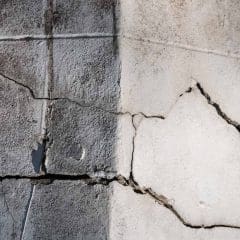
- Cracking
- Deteriorating timber
- Defective gutters
- Poor ventilation
- Problems with windows or doors
- Signs of previous alterations
- General maintenance concerns
The report may also recommend further specialist investigation if something requires closer examination.
Can Survey Findings Affect Your Purchase?
Yes, potentially.
If a survey identifies significant issues, you may decide to obtain repair quotations, request further specialist reports or raise additional questions with your solicitor.
The survey does not tell you whether to buy the property. Instead, it gives you more information before you commit.
For first-time buyers, that can be particularly valuable because it provides a clearer picture of what owning and maintaining the property may involve.
When Should You Arrange a First Time Buyer Survey?
A First Time Buyer Survey is typically arranged after your offer has been accepted but before exchange of contracts.
This gives you time to review the findings and investigate any important issues while you are still in a position to act on them.
It is generally better not to leave the survey until the final stages of the transaction.
Does a Survey Include a Valuation?
A survey and a valuation serve different purposes.
The survey focuses on the physical condition of the building. A valuation assesses its market value.
If you also require an independent valuation, London & Kent Surveyors provides dedicated RICS valuation services.
Arrange a First Time Buyer Survey
Choosing your first home can be complicated enough without being uncertain about the building itself.
A First Time Buyer Survey can help you understand the condition of the property, identify visible defects and decide whether further investigation is required before you proceed.
London & Kent Surveyors provides Level 2 and Level 3 residential surveys across London and Kent.
If you are unsure which survey is suitable for your first property, the team can help you decide whether a Level 2 or Level 3 Survey is the more appropriate option.