A Level 3 Survey is designed to provide a detailed assessment of a property’s condition, making it especially useful for older, altered or more complex homes.
One of the main benefits of this type of survey is the level of detail it provides around defects, likely causes and recommended repairs.
Understanding the common problems found in a Level 3 Survey can help buyers know what to expect before the inspection takes place.
1. Damp and Moisture Problems
Damp is one of the most common issues identified during residential surveys.
This may include:
- Penetrating damp
- Rising damp
- Condensation
- Water ingress
- Moisture around windows or roofs
The surveyor will usually look for visible signs such as staining, peeling paint, mould, damaged plaster or elevated moisture readings.
A Level 3 Building Survey can provide more detailed commentary on the likely cause of the damp and whether further specialist investigation may be required.
2. Roof Defects
Roof problems are another frequent issue found during detailed property inspections.
These may include:
- Damaged or slipped tiles
- Deteriorated flashing
- Defective gutters
- Chimney problems
- Poor previous repairs
- Signs of water ingress
Roof defects can sometimes be difficult to identify from ground level, particularly on larger or taller properties.
This is one reason detailed surveys can be particularly useful for older homes.
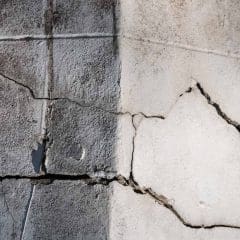
3. Cracking and Structural Movement
Cracks do not always mean that a property has a serious structural problem, but they should still be assessed carefully.
A Level 3 Survey may identify cracking caused by:
- Settlement
- Thermal movement
- Previous alterations
- Poor workmanship
- Structural movement
The surveyor will consider the location, pattern and extent of the cracking and may recommend further advice from a structural engineer where appropriate.
4. Timber Defects
Older properties can be more susceptible to timber-related issues.
These may include:
- Rot
- Decay
- Insect activity
- Moisture damage
- Deterioration around roof timbers or floors
Timber problems can sometimes develop where ventilation is poor or moisture has been present for an extended period.
A detailed survey can help highlight visible signs of deterioration and identify areas that may need closer inspection.
5. Poor or Historic Alterations
Many older homes have been extended, converted or altered over the years.
Not all previous work is necessarily problematic, but a survey may identify concerns such as:
- Poorly constructed extensions
- Altered internal walls
- Loft conversions
- Previous structural changes
- Inappropriate materials
- Poor-quality repair work
These issues can be particularly relevant when buying a property that has undergone several phases of renovation.
If you are unsure whether a Level 2 or Level 3 Survey is more suitable for an altered property, the guide to Level 2 vs Level 3 Surveys explains the main differences.
6. External Wall and Brickwork Problems
The condition of external walls can reveal a lot about the overall health of a property.
A Level 3 Survey may identify:
- Cracked brickwork
- Deteriorating mortar
- Spalled bricks
- Failed render
- Poor pointing
- Signs of water penetration
These defects may require maintenance or repair to prevent further deterioration.
7. Drainage and Rainwater Issues
Drainage problems can sometimes contribute to damp, subsidence or damage around the property.
A surveyor may identify issues such as:
- Blocked gutters
- Damaged downpipes
- Poor surface drainage
- Water collecting near walls
- Visible drainage defects
While a standard inspection does not always include a full drainage survey, a Level 3 Survey can highlight visible issues and recommend specialist investigation where needed.
8. Poor Ventilation
Ventilation is particularly important in older homes and properties that have been heavily modernised.
Problems may include:
- Condensation
- Mould
- Blocked air bricks
- Poor loft ventilation
- Inadequate bathroom or kitchen extraction
These issues can contribute to moisture build-up and deterioration over time.
9. Window and Door Defects
Windows and doors can reveal both maintenance issues and broader problems with the property.
Common findings include:
- Rotten timber frames
- Failed seals
- Poor fitting
- Cracking around openings
- Water ingress
- Deteriorated external joinery
These defects may not always be serious, but they can contribute to heat loss, moisture problems and ongoing maintenance costs.
10. Signs of Deferred Maintenance
One of the most common themes in a Level 3 Survey is simply a lack of maintenance.
This might include:
- Blocked gutters
- Peeling external paint
- Damaged pointing
- Overgrown vegetation
- Minor roof defects
- Deteriorating timber
Individually, these issues may seem small, but when several occur together they can lead to more significant problems.
Does Finding Defects Mean You Should Not Buy?
Not necessarily.
The purpose of a Level 3 Survey is not to tell you whether to buy the property. It is to provide a clearer understanding of its condition.
If significant defects are identified, you may decide to obtain repair quotations, arrange specialist inspections or discuss the findings with your solicitor before proceeding.
For older or more complex properties, some defects are relatively common and may simply form part of the building’s maintenance requirements.
Arrange a Level 3 Survey
Understanding the common problems found in a Level 3 Survey can help buyers know what to expect from a detailed inspection.
London & Kent Surveyors provides Level 3 Building Surveys across London and Kent, helping buyers understand visible defects, likely causes and potential repair requirements before they commit to a purchase.
If you are unsure whether a Level 3 Survey is right for the property you are buying, London & Kent Surveyors can help you choose the most appropriate level of survey.